In short. Hong Kong office listings usually quote gross area, which includes a share of common parts. Usable area is smaller, and the gap varies by building, so check the floor plan.
When a listing says 3,000 sf, ask which 3,000 sf. In Hong Kong the answer is usually gross area.
Gross area
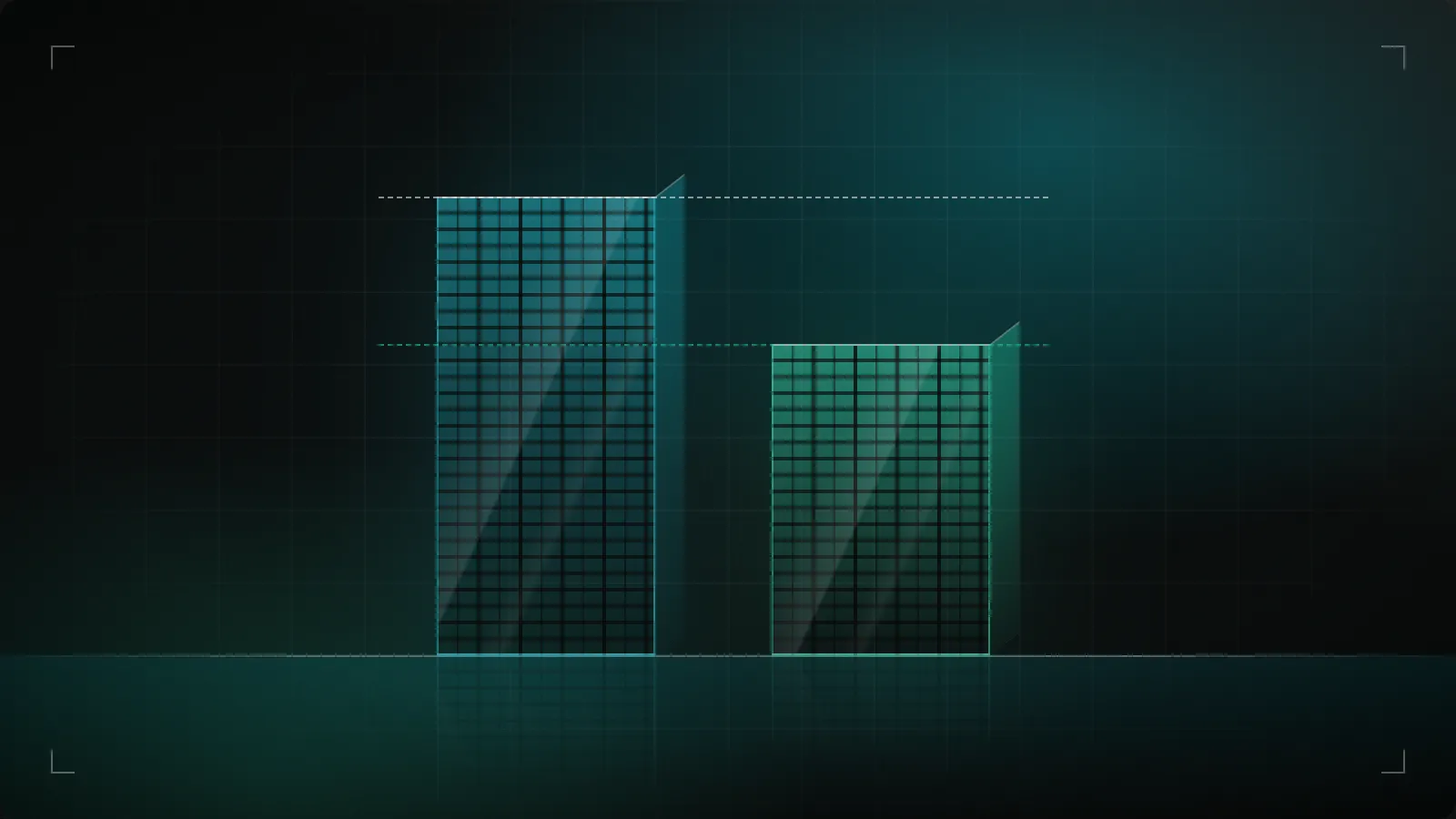
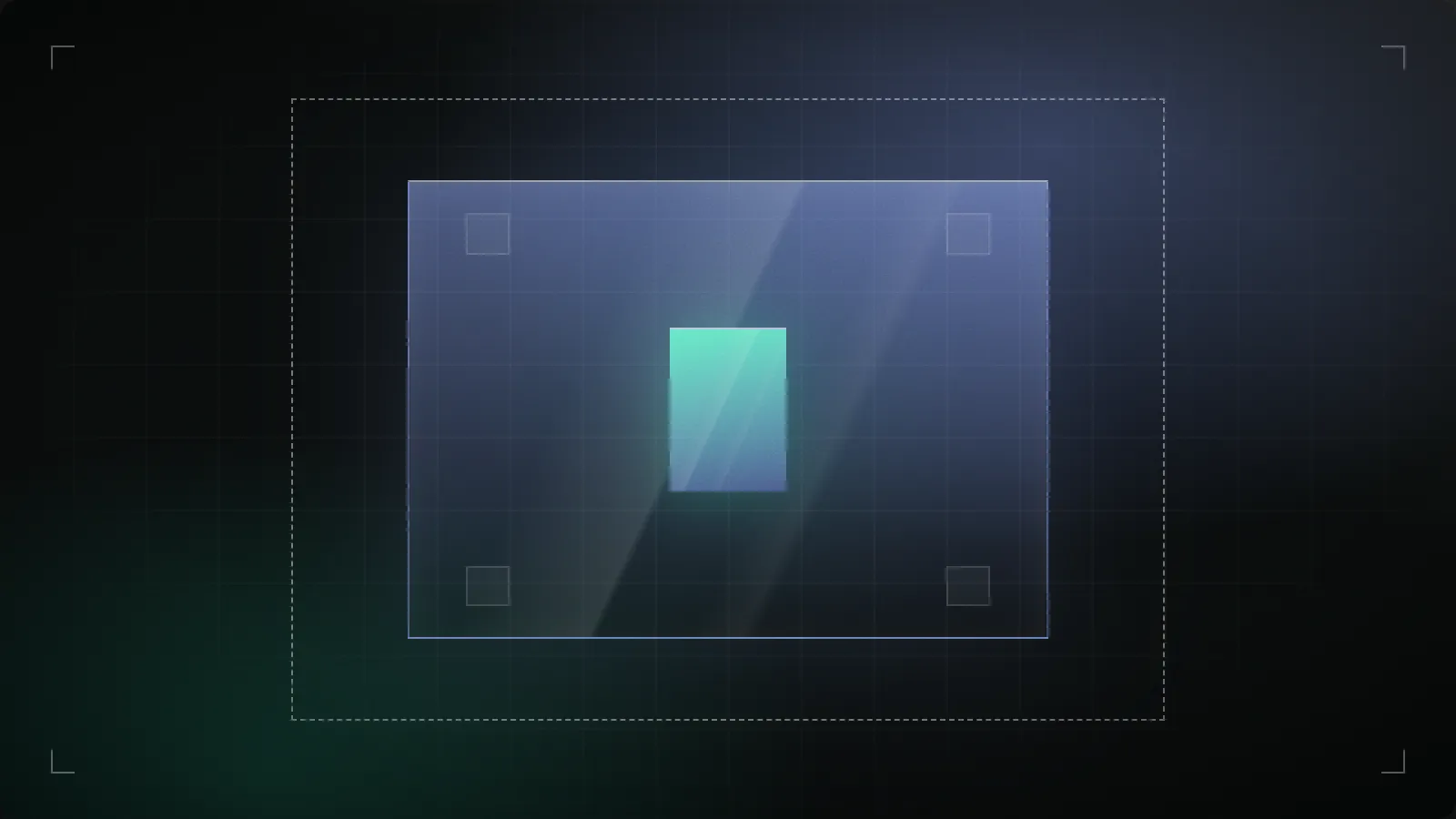
Gross area includes your unit plus a share of shared parts of the building, such as lift lobbies, corridors and common toilets on your floor. Rent and management fee are normally calculated on this number.
Net or usable area
Net, or usable, area is the space inside your own premises that you can actually use for desks, rooms and storage. It is smaller than gross.
Why it matters
- Rent per square foot is quoted on gross area, so a space that looks cheap per sq ft may have less usable room.
- Sizing your team is easier against usable area. Our guide of 80 to 130 sf per person is based on gross area, so it already allows for this.
- Comparing buildings is unfair if one quotes gross and another net.
The gap varies
The difference between gross and net depends on the building and floor. We do not give a standard percentage because it differs from one building to the next. Ask for the efficiency, or look at the floor plan.
How to check
- Ask the agent whether the area is gross or net, in writing.
- Ask for the net area, or for a floor plan with dimensions.
- Count desks and rooms on the plan. Many spaces on Ready Office have an indicative layout you can count from.
- Compare spaces on the all-in monthly cost, which we quote on enquiry, and the number of people each one suits.
On Ready Office
Sizes are gross area. The "suits" range uses 80 to 130 sf gross per person. Browse spaces.